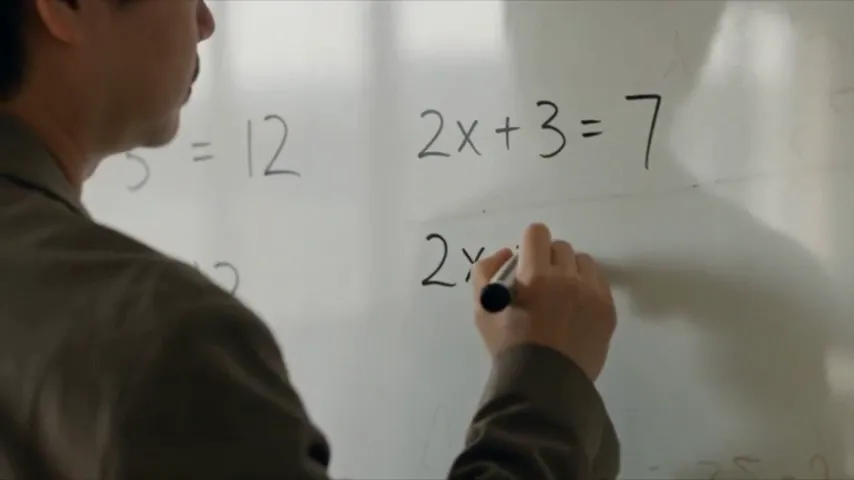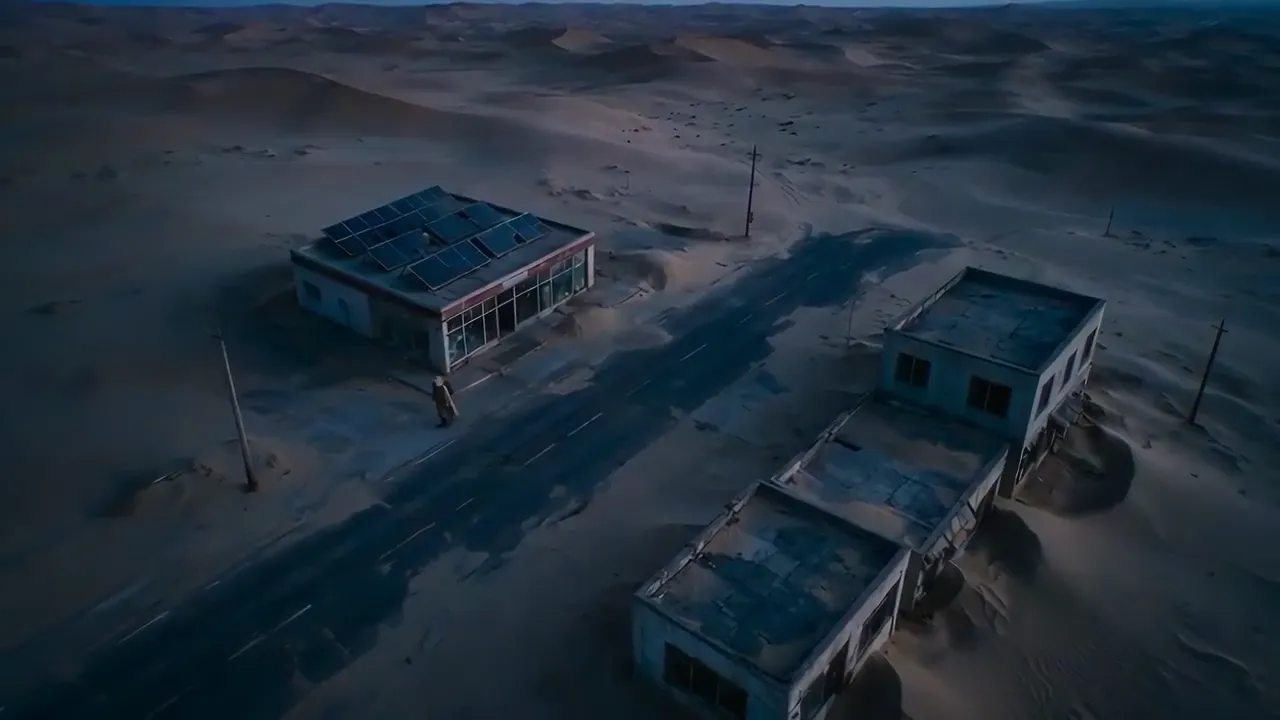
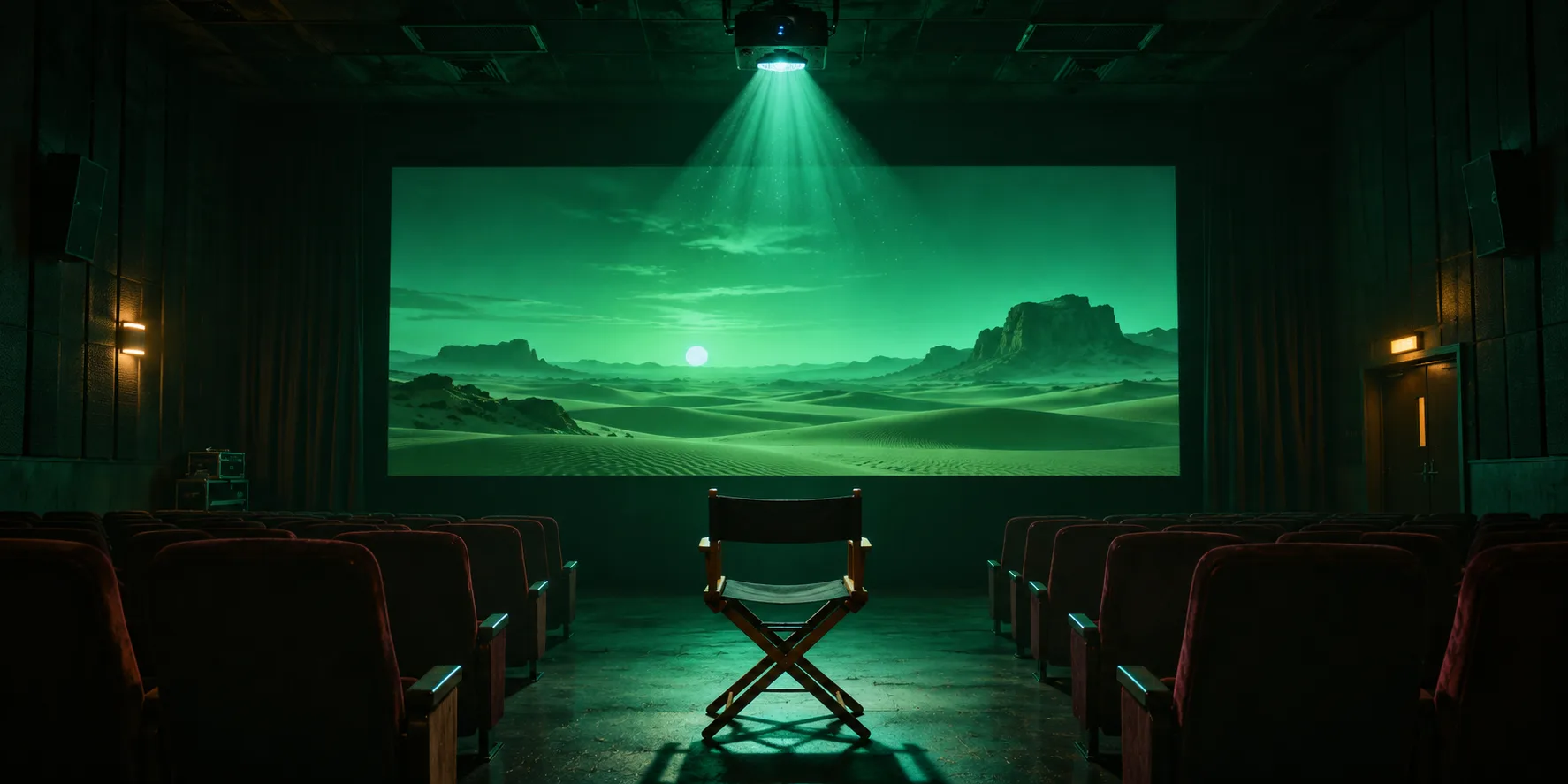
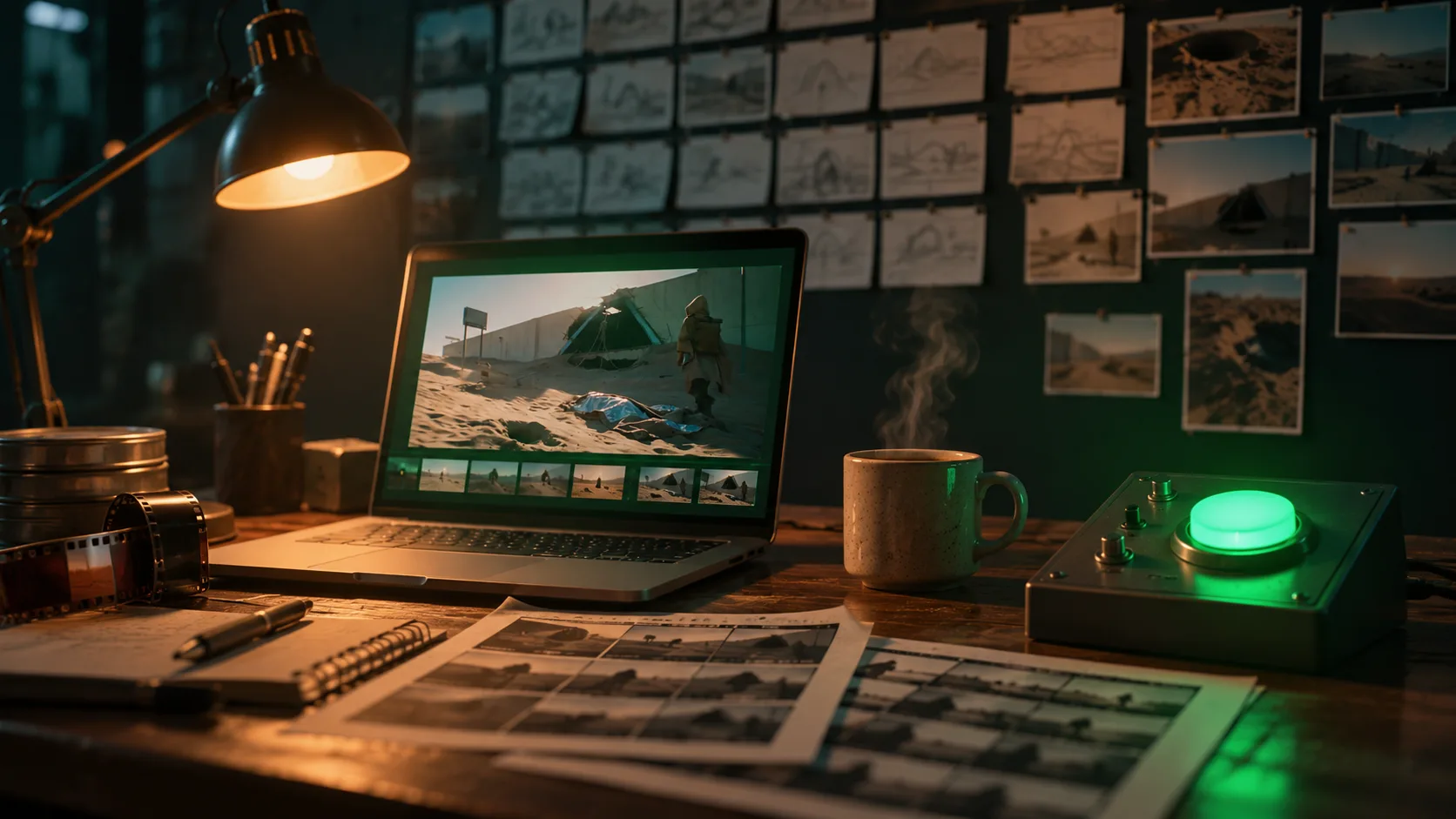
A single director's chair faces a large green-lit screen in an empty screening room.

HUDHUD Technology · DOXA System

A script becomes a film.

DOXA is Hudhud's in-house production agent. It coordinates planning, references, generation and revisions inside the tools the team already uses. People approve every paid or irreversible action.

See how it works

Hudhud / RECEIVER / 7:42

A film made with DOXA. Click to play. The film has sound; captions are available on request.

Request a transcript
REC RECEIVER / 7:42 / A film made with DOXA Screening room 01

01 / The agent

An agent inside the work.

DOXA lives inside Slack. The team asks in plain language and drops in a storyboard, a script or a reference. DOXA reads it, plans the work, runs the research and generation, checks the result and files it by type. Anything that costs credits waits for a person to press Approve.

The agent coordinates the workflow. The proprietary technology is the agent and workflow layer, not a foundation model built from scratch. DOXA is designed to use the best available generation tools, and to keep the director in control of the result.

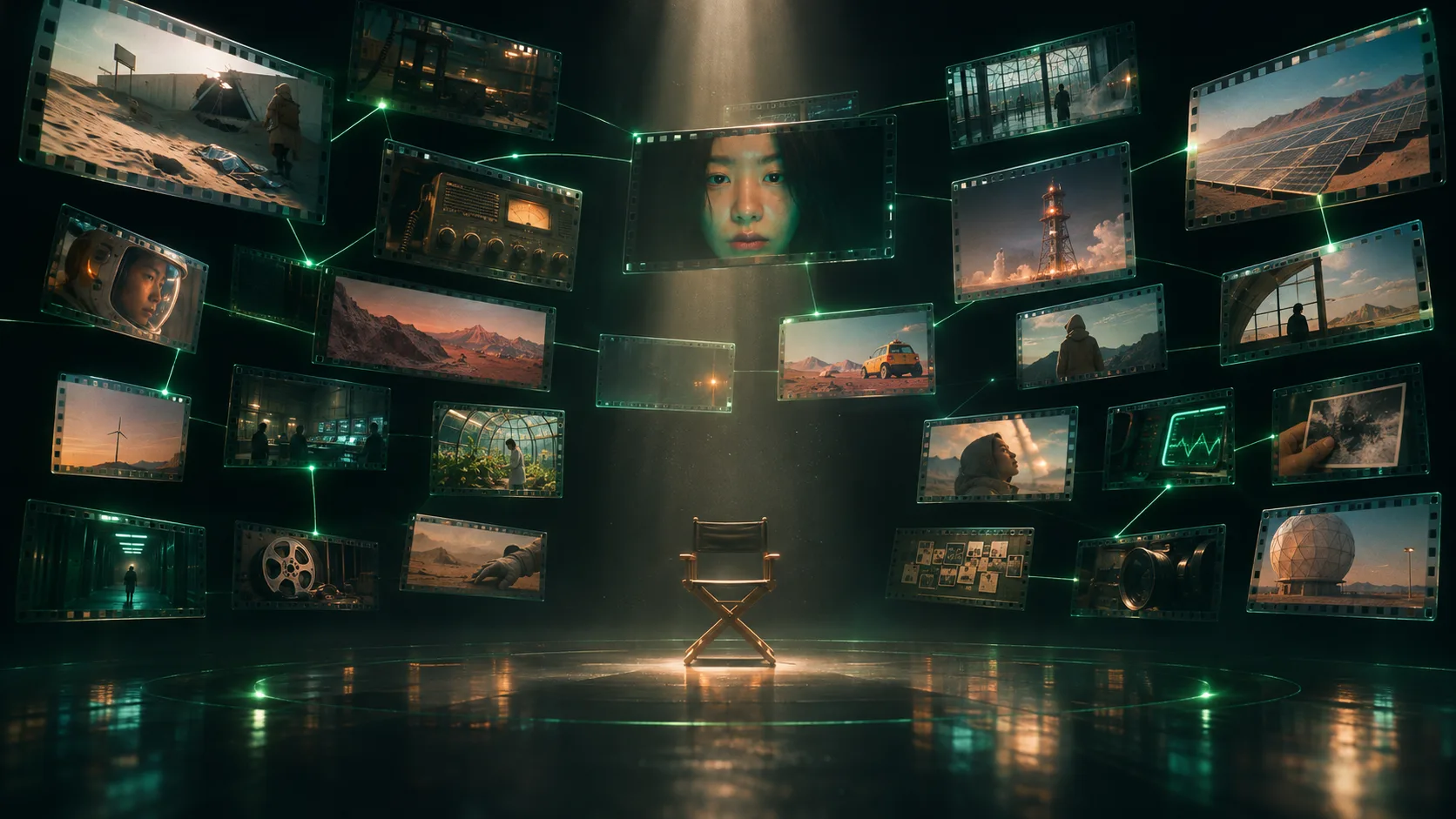
A dark constellation of 24 film frames connected by thin green lines, with a single empty director's chair in the centre.
TECH-02 / The production constellation Concept

Human approval is the feature. Every paid or irreversible action waits for a person.

“Do not fabricate history with AI.”

DOXA, production note

That note is from a real production. A foundation campaign needed 1945 archive material. DOXA separated the real records from the generated dream sequences and refused to invent historical documents. The pipeline can generate a world. It should not generate a lie.

DOXA is a company-described production agent. The workflow is documented in the U.N.D.A.Y. creative development log. It is not an audited benchmark or a proprietary foundation model.

02 / The workflow

Four steps. One decision at a time.

Automation with approval control.

  1. 01

    Request

    A brief and source files arrive in Slack, in plain language.

  2. 02

    Execute

    DOXA plans the work, runs the research and reports progress in the channel.

  3. 03

    Approve

    Human

    People authorize generation credits and irreversible actions. A plan card shows the references, settings, prompts and estimated cost before anything is submitted.

  4. 04

    Deliver

    DOXA checks the results and files them by asset type: documents, images, video, references.

A human approval room with a large control surface and a single operator reviewing a plan.
APPROVAL-01 / The approval room Concept

03 / The routes

Full Auto. Hybrid. Same pipeline.

There are two ways to make a film with DOXA. The right one depends on what the story needs.

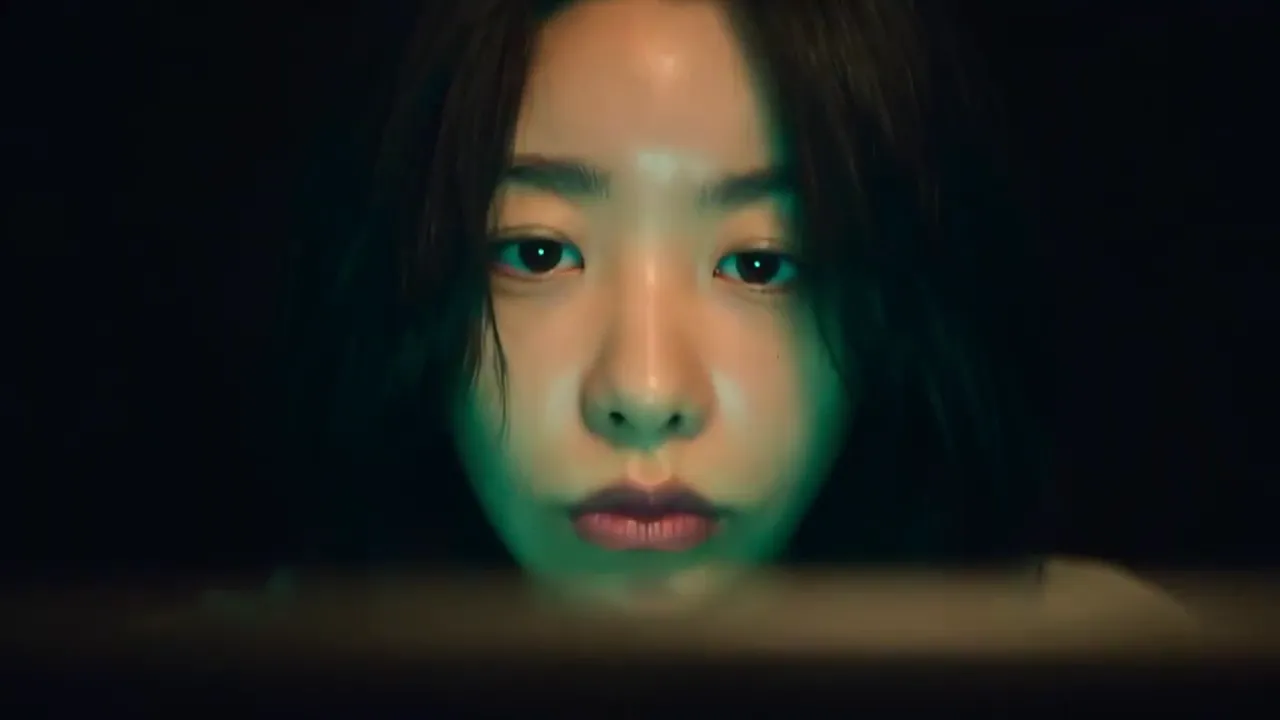
A close-up of a woman's face lit by green light, a frame from RECEIVER.
RECEIVER / Full Auto Film still

Full Auto

Delivered · 7:42

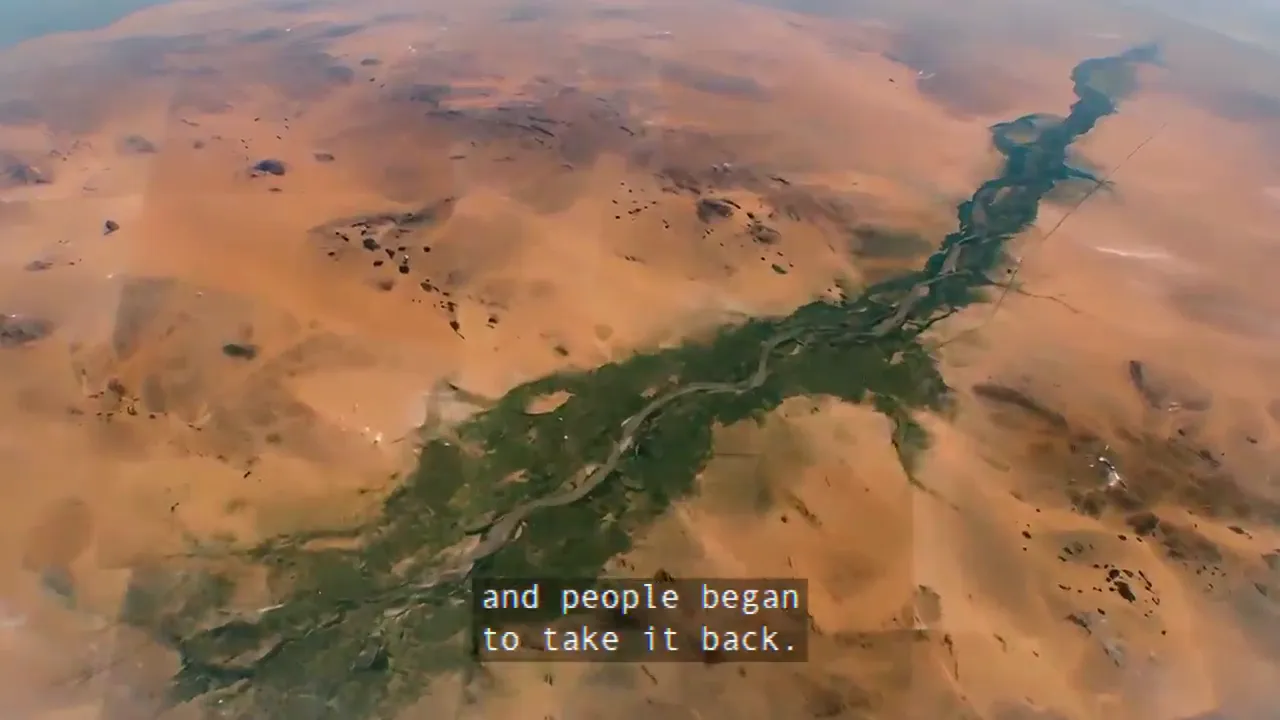
A main script goes in. A complete film comes out. The team supplies the script and direction; DOXA generates every scene. RECEIVER is the proof: 7:42, a festival screening in Chile, a reported selection in Shanghai.

  • Main script in
  • Complete film out
  • RECEIVER / 7:42
A hybrid film frame of a man in a café, combining a filmed performance with a generated environment.
Performance transfer / Hybrid Demonstration

Hybrid

In production · Pink Truck

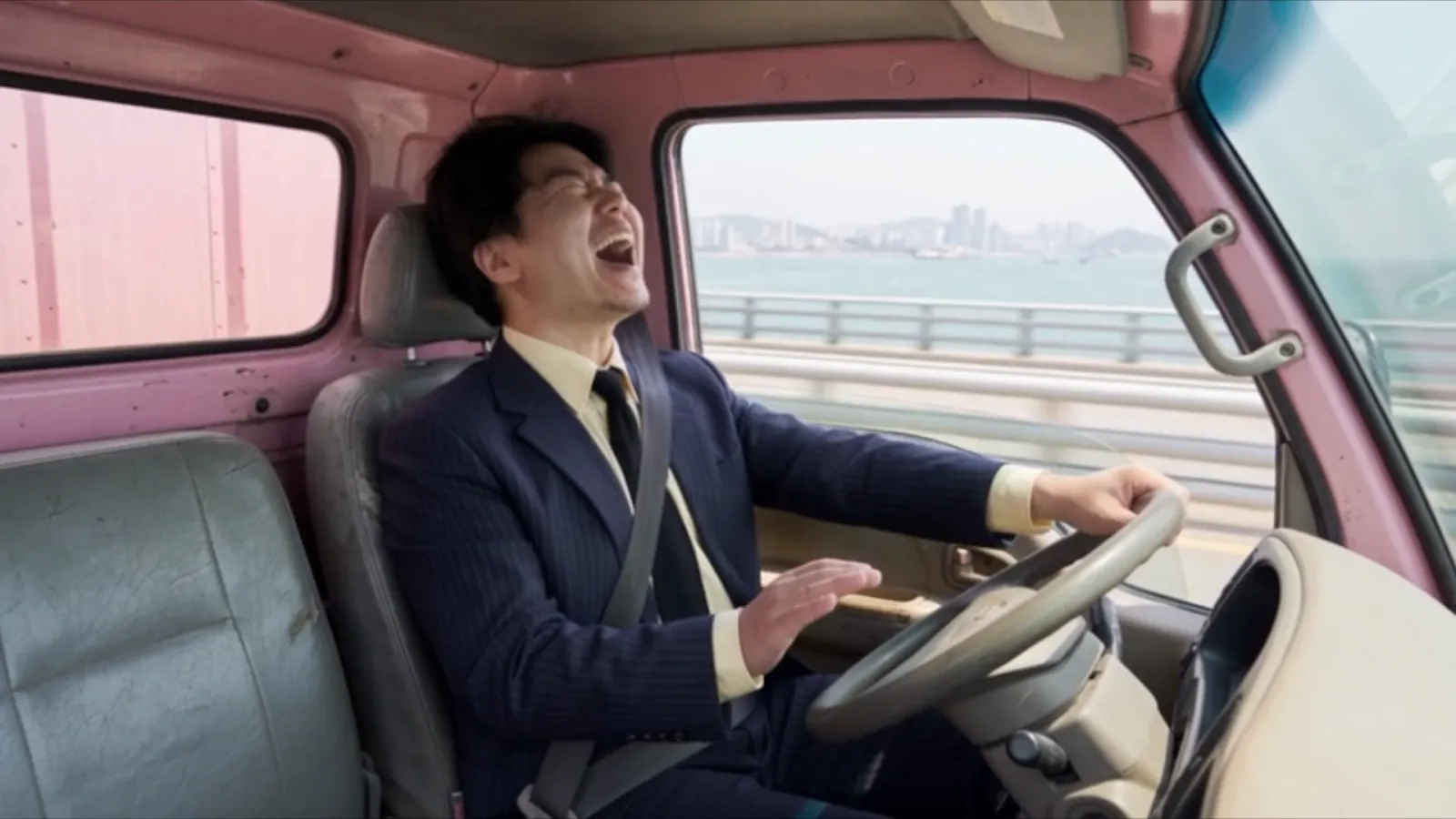
A real performance stays at the centre. AI builds the world around it: locations, backgrounds, vehicles and action. The actor is filmed; the director controls the shot and the final frame. Pink Truck is the demonstration.

  • Performance filmed
  • World generated
  • Director controls the frame

Full Auto is the purest form of the pipeline. Hybrid is the version most studios need: the performance is real, the world is generated, and the actor is still the reason the scene works.

Full Auto is demonstrated on RECEIVER. Hybrid is demonstrated in the performance-transfer comparison and the Pink Truck shot design. Both are company-supplied demonstrations, not a guarantee of identical results on every script.

04 / The system

Five stages under the director's control.

Every stage produces material the director can review and revise. Change the script, and the downstream work can be rebuilt.

  1. 01

    Script to shot list

    Translate the story into shots, lenses, lighting and camera movement.

  2. 02

    Production design

    Define characters, locations, wardrobe and props.

  3. 03

    Storyboards

    Build shot sequences from the script and the approved designs.

  4. 04

    Image to video

    Generate moving images from the approved boards.

  5. 05

    Video to video

    Integrate filmed performances with the generated world.

TECH-03 / The console

The console, in motion.

One working session, captured on one screen: the board, the shot list, production design, 3D blocking and the video stage. The recording runs 56 seconds; sound and playback controls sit under the screen.

DOXA / Console

Screen capture 00:56

00:00 00:56

TECH-03 / The production console DOXA / Working session

05 / The proof

Made with DOXA.

The pipeline is only interesting if it has made something. These are the projects that test it.

7:42
Complete film / RECEIVER
24
Cuts / U.N.D.A.Y.
122
References / U.N.D.A.Y.
2
Festival screenings / Chile · Shanghai
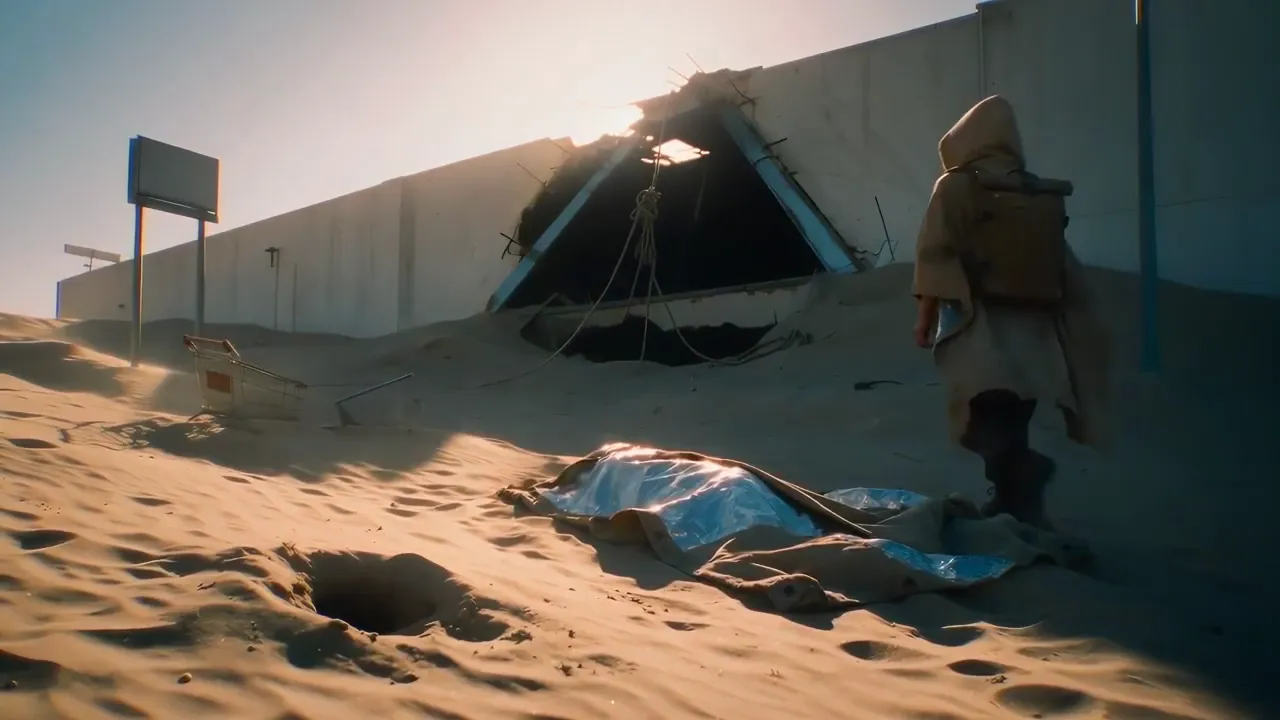
A lone hooded figure walking through a desert settlement at sunrise, a frame from RECEIVER.

Case 01 / RECEIVER

Festival screening

RECEIVER

A 7:42 complete AI film, made from a main script. Online screening at IA en Corto, Chile, October 2026. Selected for screening at the Shanghai AI & Robot Film Festival, as reported by the production team.

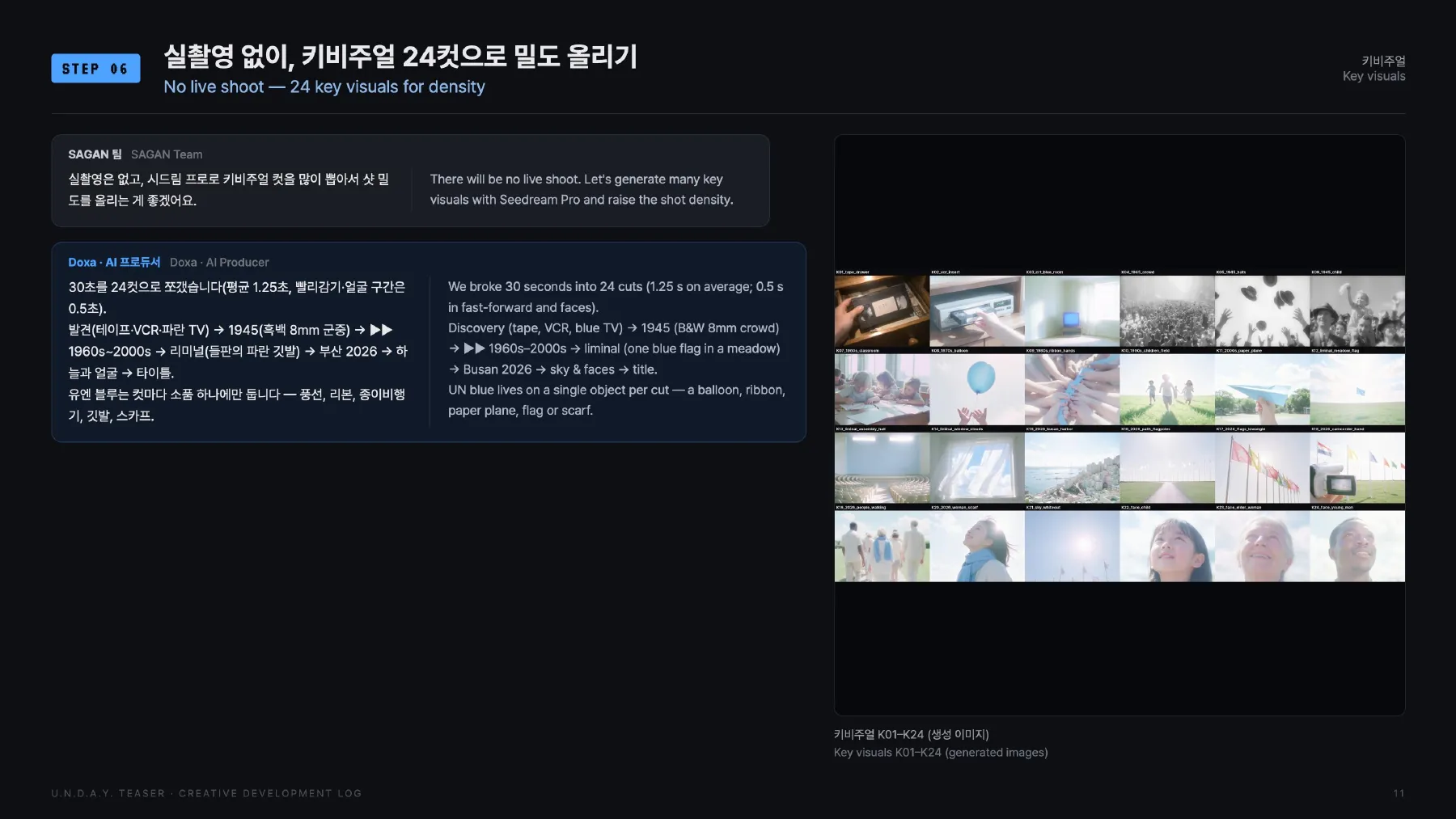
A contact sheet of 24 generated key visuals from the U.N.D.A.Y. project.

Case 02 / U.N.D.A.Y.

In development

U.N.D.A.Y.

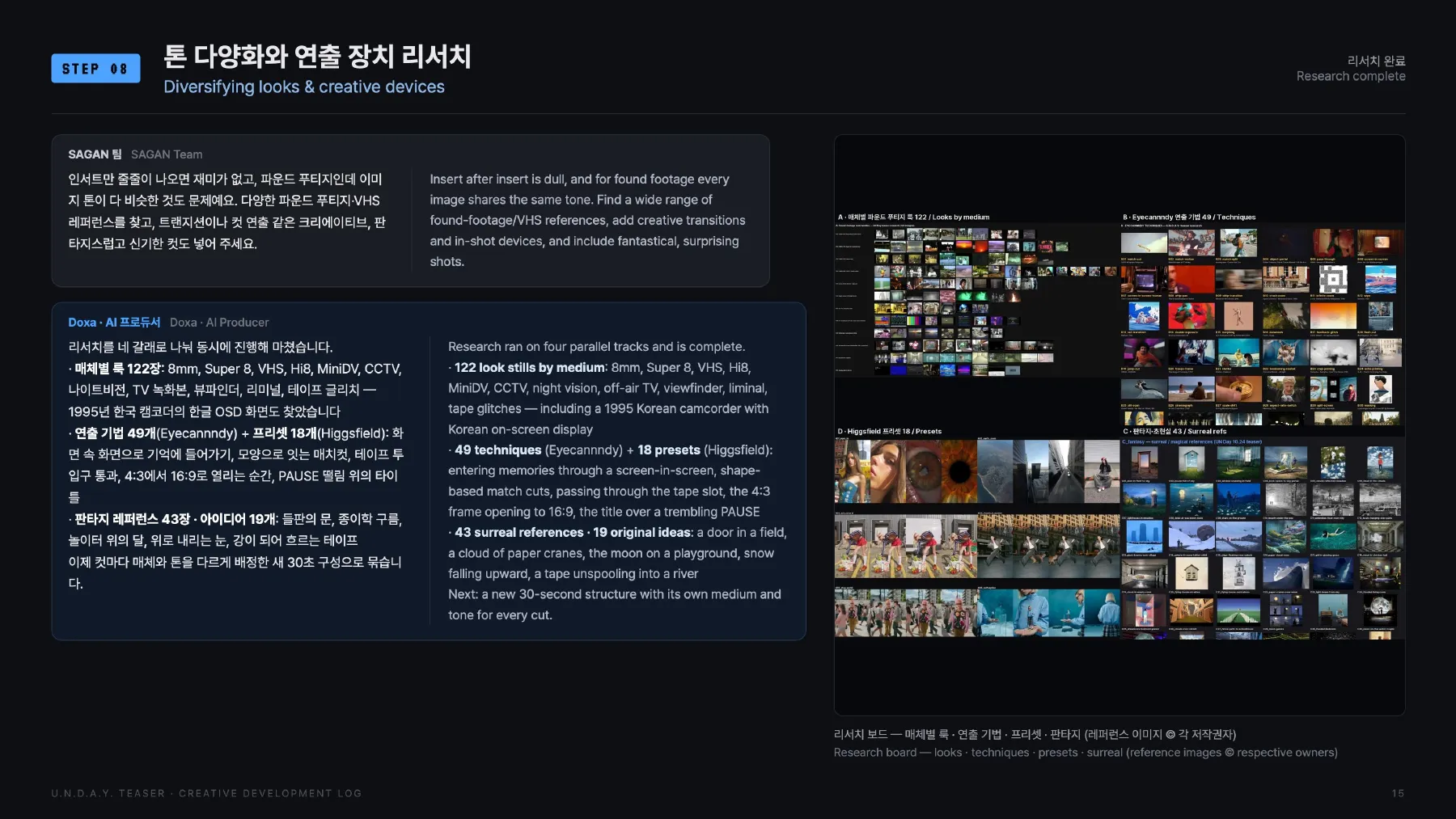
A foundation campaign developed through a 76-second animatic, then a 30-second teaser package with 24 cuts, 122 look references, 49 creative techniques and a working approval flow. The final 30-second teaser remains in development.

An aerial view of the pink truck driving across Gwangan Bridge, a demonstration shot from the Hybrid pipeline.

Case 03 / PINK TRUCK

In production

Pink Truck

An AI Hybrid feature based on Jang Hang-jun’s original screenplay. About 80 minutes, eight-month schedule. The reference model for the studio’s feature pipeline.

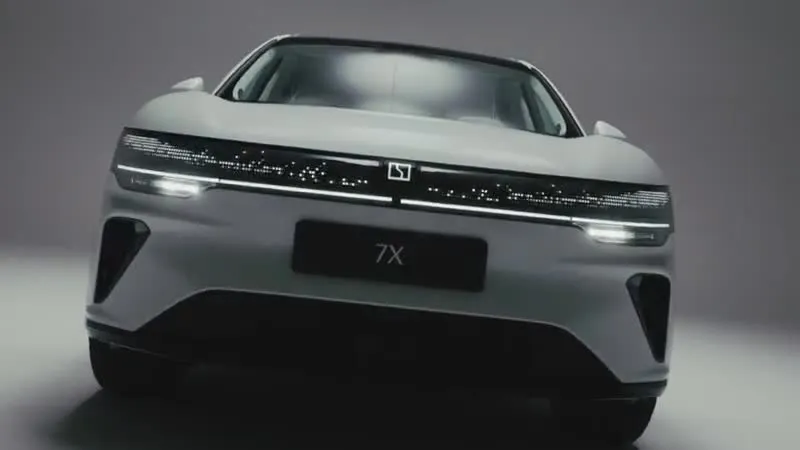
A white ZEEKR 7X in a studio, front three-quarter view.

Case 04 / ZEEKR

Delivered

ZEEKR

Delivered commercial work: USP cuts, a vehicle teaser and a highlight film. Filmed vehicle geometry anchors generated branding, headlamp and interior variants.

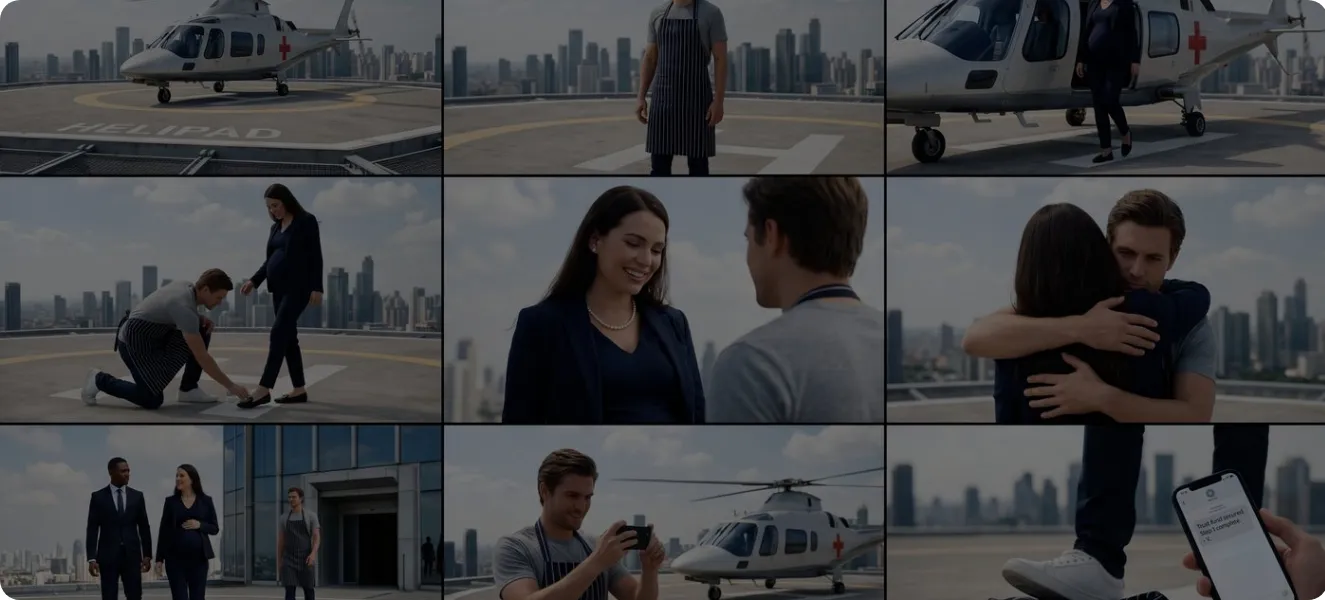
A contact sheet of finished DramaBox scenes, with consistent characters and locations.

Case 05 / DRAMABOX

Delivered

DramaBox

Episodic drama produced through the Full AI pipeline, with no physical set or shooting crew. Consistent characters and production design across episodes.

RECEIVER's Chile screening is public. The Shanghai selection is reported by the production team. Pink Truck runtime and schedule are planning estimates. ZEEKR and DramaBox are company-reported commercial work.

06 / The model

A smaller machine. A bigger screen.

The model replaces the parts of production that scale with headcount and locations: sets, crowds, repeated setups, reshooting a detail. It keeps the parts that scale with taste: the script, the direction, the performance, the final frame.

Request the production model
Traditional Hudhud
A large crewA specialist team
Physical buildsDesigned and generated worlds
Assets rebuilt per productionReusable characters, props and worlds
Weeks between idea and shotHours between idea and shot

The detailed cost model is shared in partner conversations. It is a planning model, not an audited saving.

07 / Technology transfer

We teach the method.

For studios, broadcasters and production companies that want to build an AI-native pipeline of their own. The programme is practical: the team learns on real scenes, compares the output with the original footage, and leaves with the workflow, the checklist and the cost model.

  1. 01

    Sample preparation

    Select and test the bridge, transformation and action samples.

  2. 02

    Full workflow training

    Planning, references, storyboards, filming, generation, compositing, editing and finishing.

  3. 03

    Stage methodologies

    3D camera design, background and wardrobe transformation, AI action and face replacement.

  4. 04

    Results demonstration

    Compare the 3D design and the original footage with the AI result.

  5. 05

    Cost and time comparison

    Compare like-for-like quality and duration, including rework and post.

  6. 06

    Handover

    Pipeline map, training examples, comparison table and quality checklist.

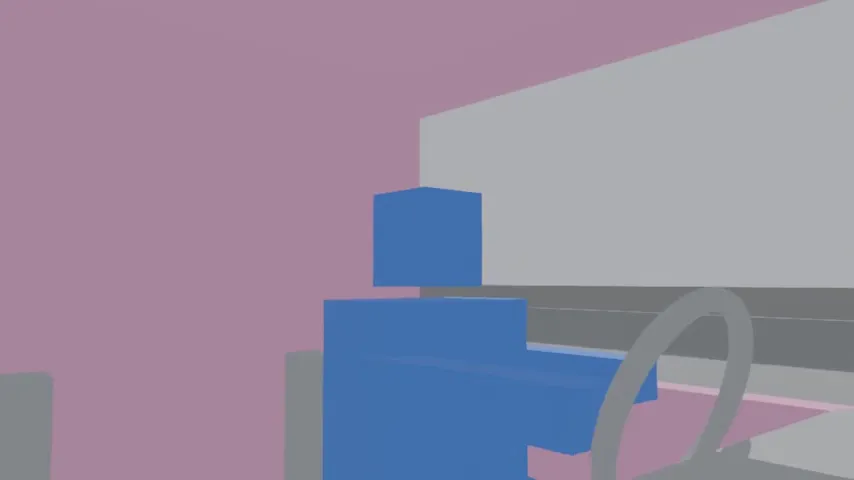
A low-poly 3D previsualization of the Gwangan Bridge camera move.
Gwangan Bridge / Previs Demonstration
A hybrid classroom scene with a teacher writing on a blackboard and a student watching.
Hybrid classroom / Demonstration Demonstration
Request the programme

The programme is a training service. Schedules, fees and deliverables are agreed per engagement.

08 / The invitation

Bring us a script. We will show you the pipeline.

Tell us what you want to make. We will show you the route, the cost and the approval points.

Request a pipeline demo

Hudhud / RECEIVER / 7:42

A film made with DOXA. Click to play. The film has sound; captions are available on request.

Request a transcript