

Jang Hang-jun
21M+ published admissions across 7 directing credits. Director of The King's Warden (16.9M admissions). Original screenplay of Pink Truck.
Production Experience
Before the AI, there was a filmography. The producers, directors and crews behind Hudhud have been making films for decades: from development and casting to line production, VFX and finishing.
Founded by producer Lee Min Ho, The Dream Pictures built a catalogue across drama, thriller, horror and family film. The company's films averaged 1.3 million admissions. Five producer credits put 24.5 million people in seats.
Admissions are published historical figures, rounded. They are the founding producer's credits and The Dream Pictures' catalogue, not Hudhud releases. The 1.3M average is company-reported.
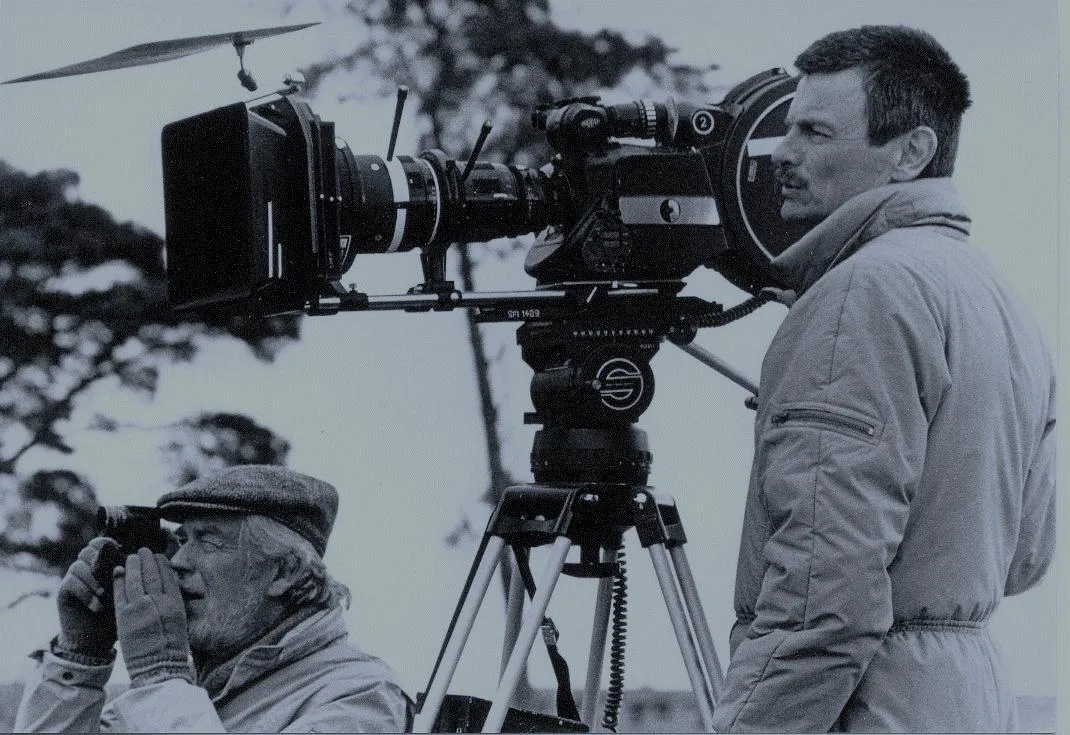
From the company archive. A working crew on a soundstage, not a production still from a new Hudhud film.
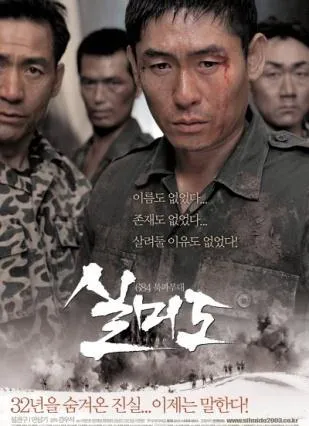
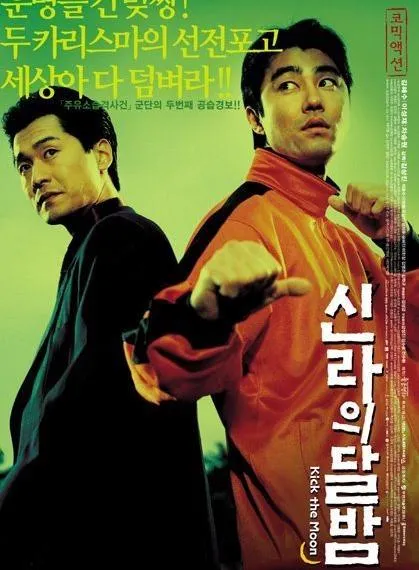
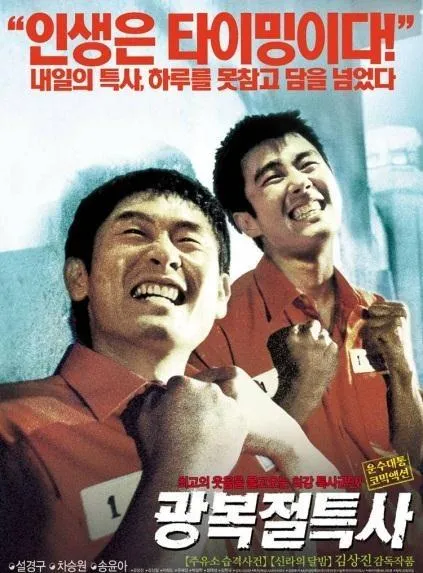
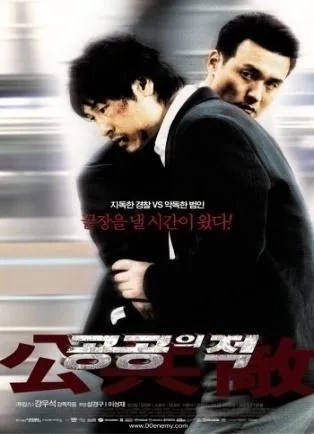
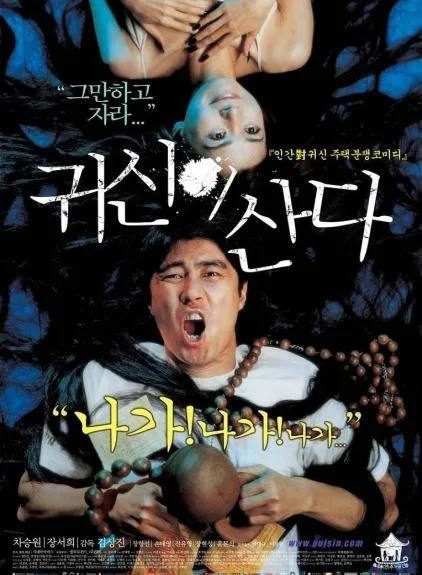
The five producer credits, left to right: Silmido, Kick the Moon, Jail Breakers, Public Enemy, Ghost House.
Their work moves between comedy, thriller and drama. That range is the reason the slate can hold a family animation and a period action comedy in the same company.
21M+ published admissions across 7 directing credits. Director of The King's Warden (16.9M admissions). Original screenplay of Pink Truck.
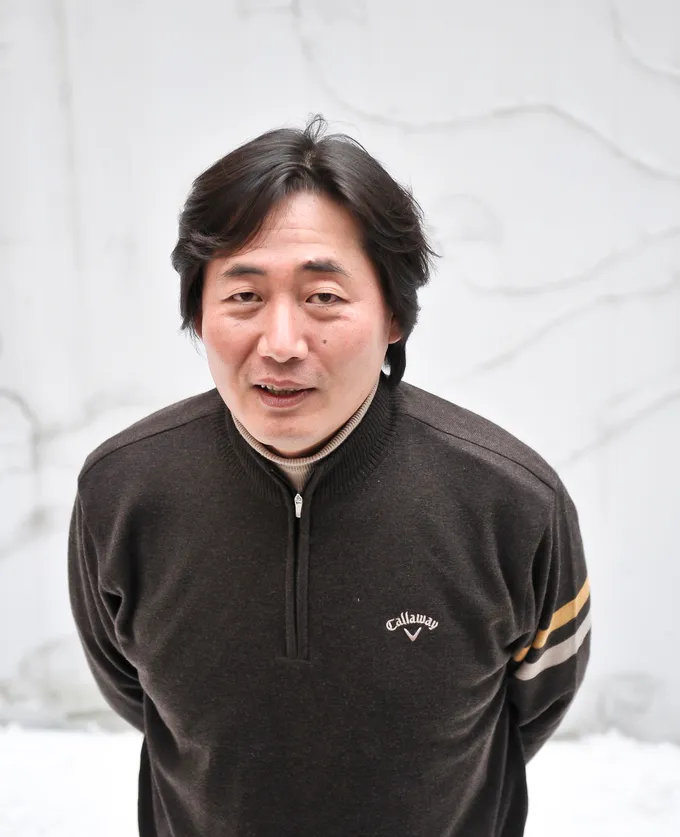
15M+ published admissions across 8 directing credits. Writer/director of The Ghost and Amhaeng Eosa.
Admissions are published historical figures for the directors' careers. They are not Hudhud results or a forecast for the new films.
The company is not built on one film. It is built on a slate, a library and a production system that can keep moving.
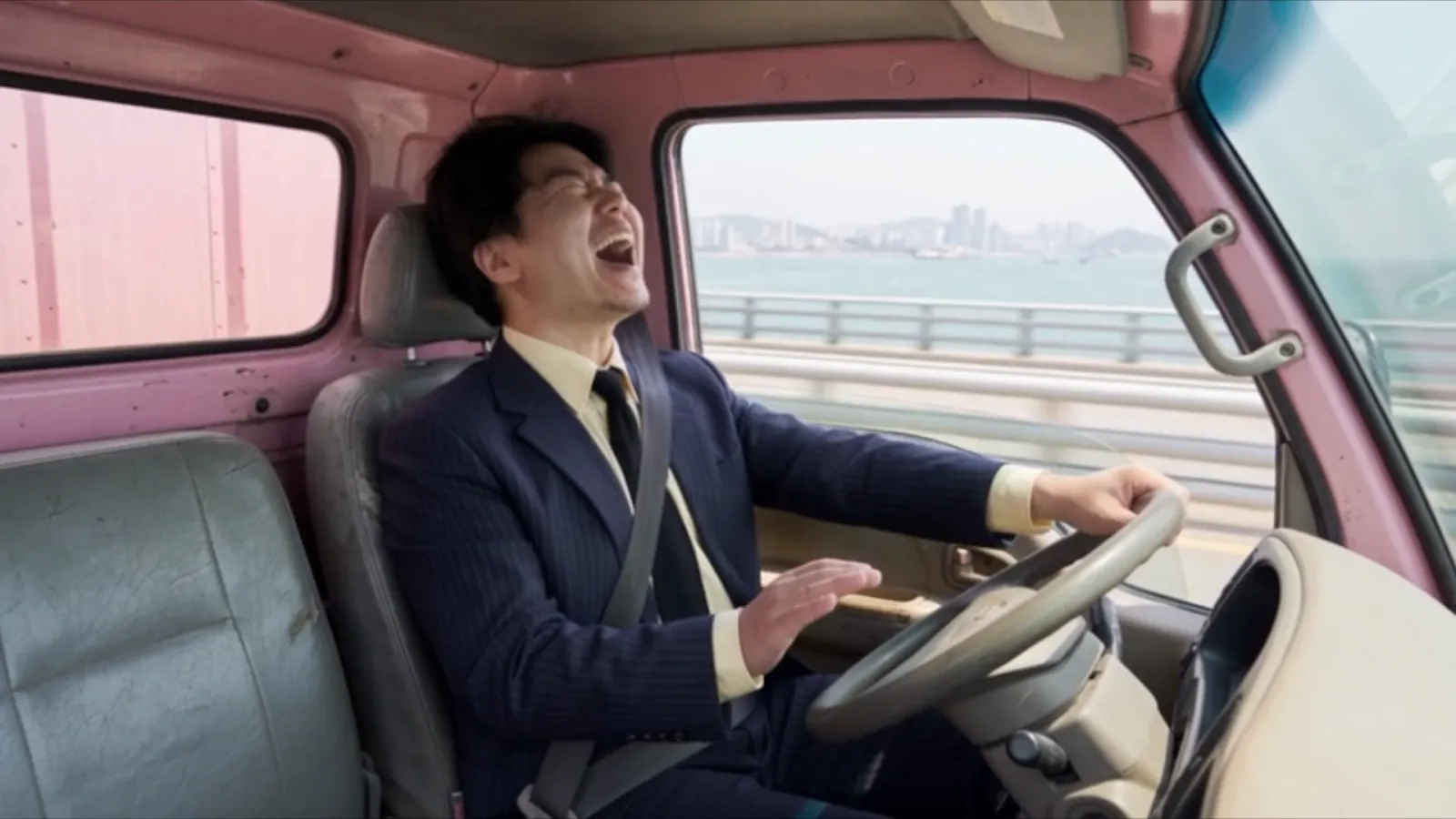
AI Hybrid feature. Original screenplay by Jang Hang-jun. About 80 minutes, eight-month schedule.
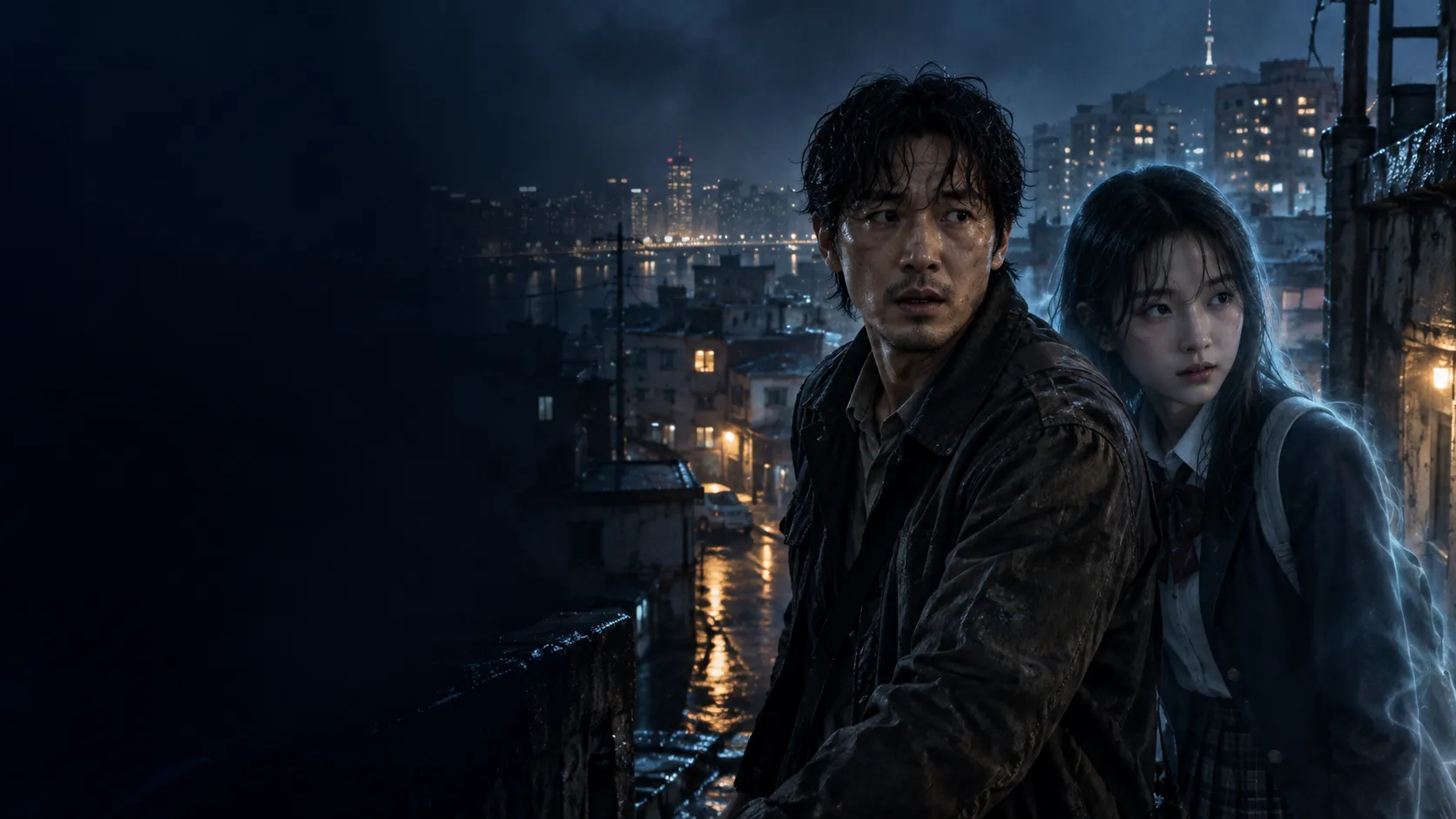
Fantasy comedy thriller. Writer/director Kim Sang-jin.
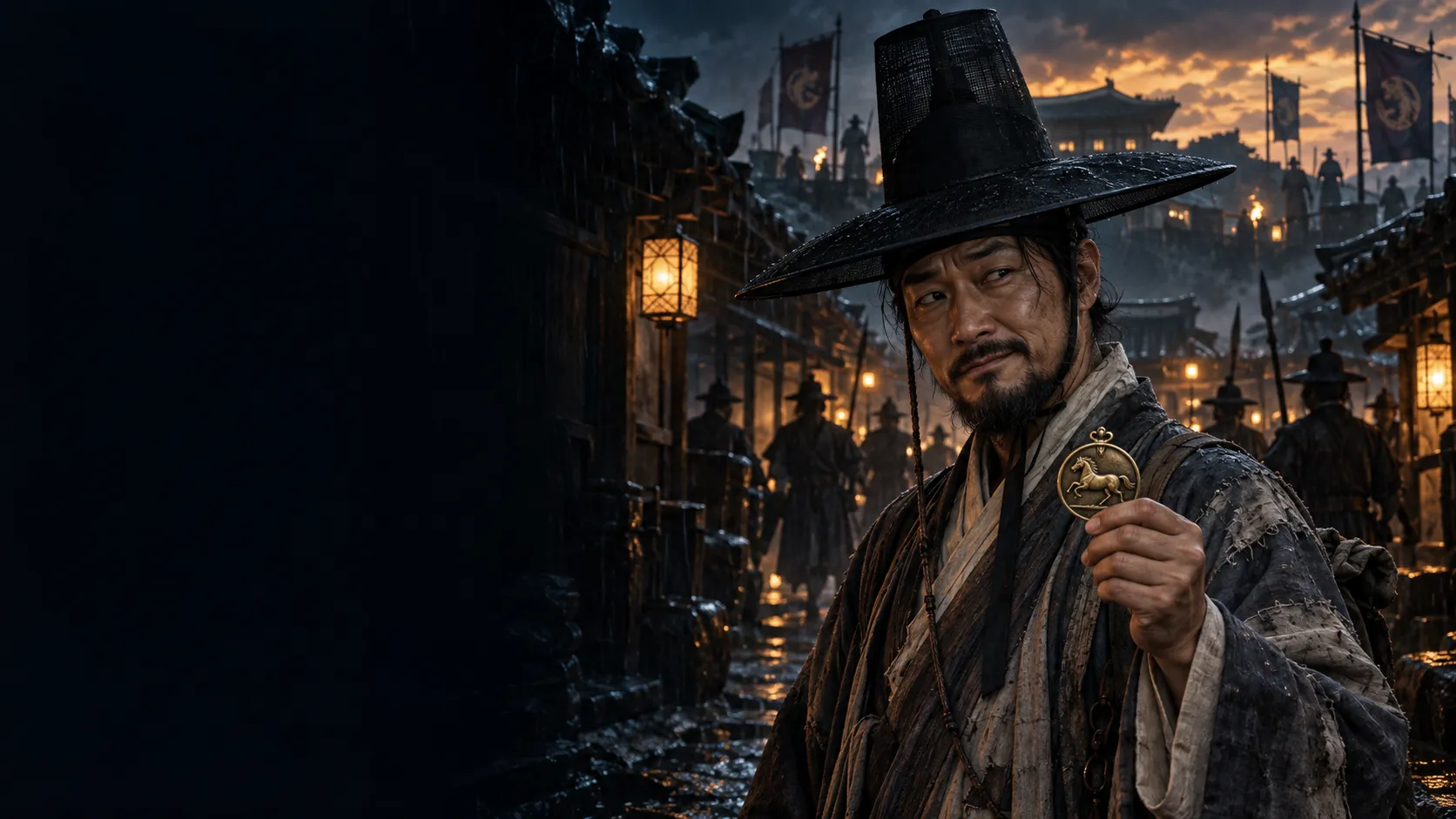
Historical action comedy. Director Kim Sang-jin.
Fantasy comedy. A family of fox spirits navigating modern Seoul.
Music / coming of age. Teenagers and a former army bandmaster find a shared voice through a marching band.
Historical action. Farmers confront corruption and foreign forces in the final years of Joseon.
Disaster drama. Survivors and rescuers struggle through a catastrophic department-store collapse.
Rights assets, not new productions.
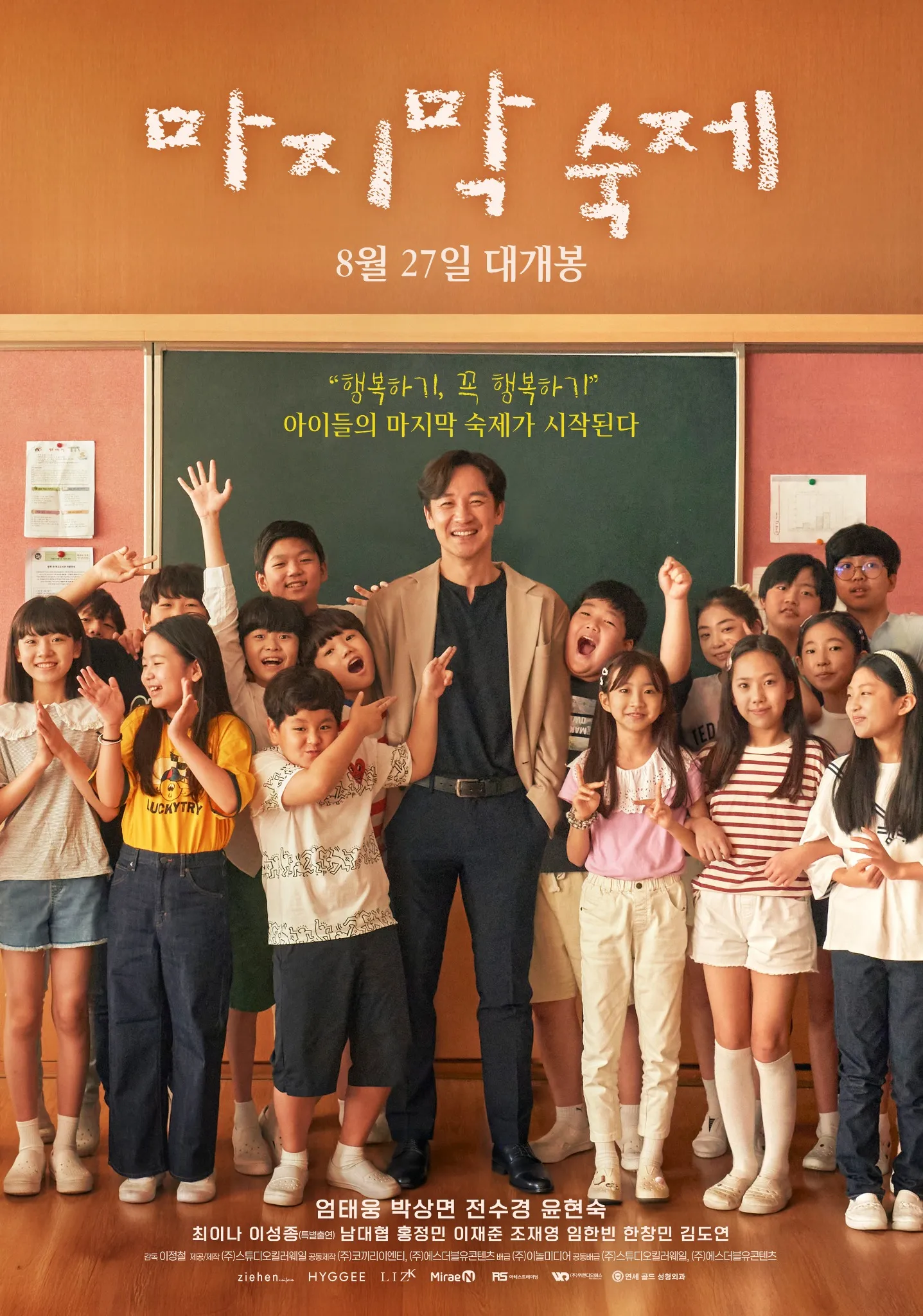
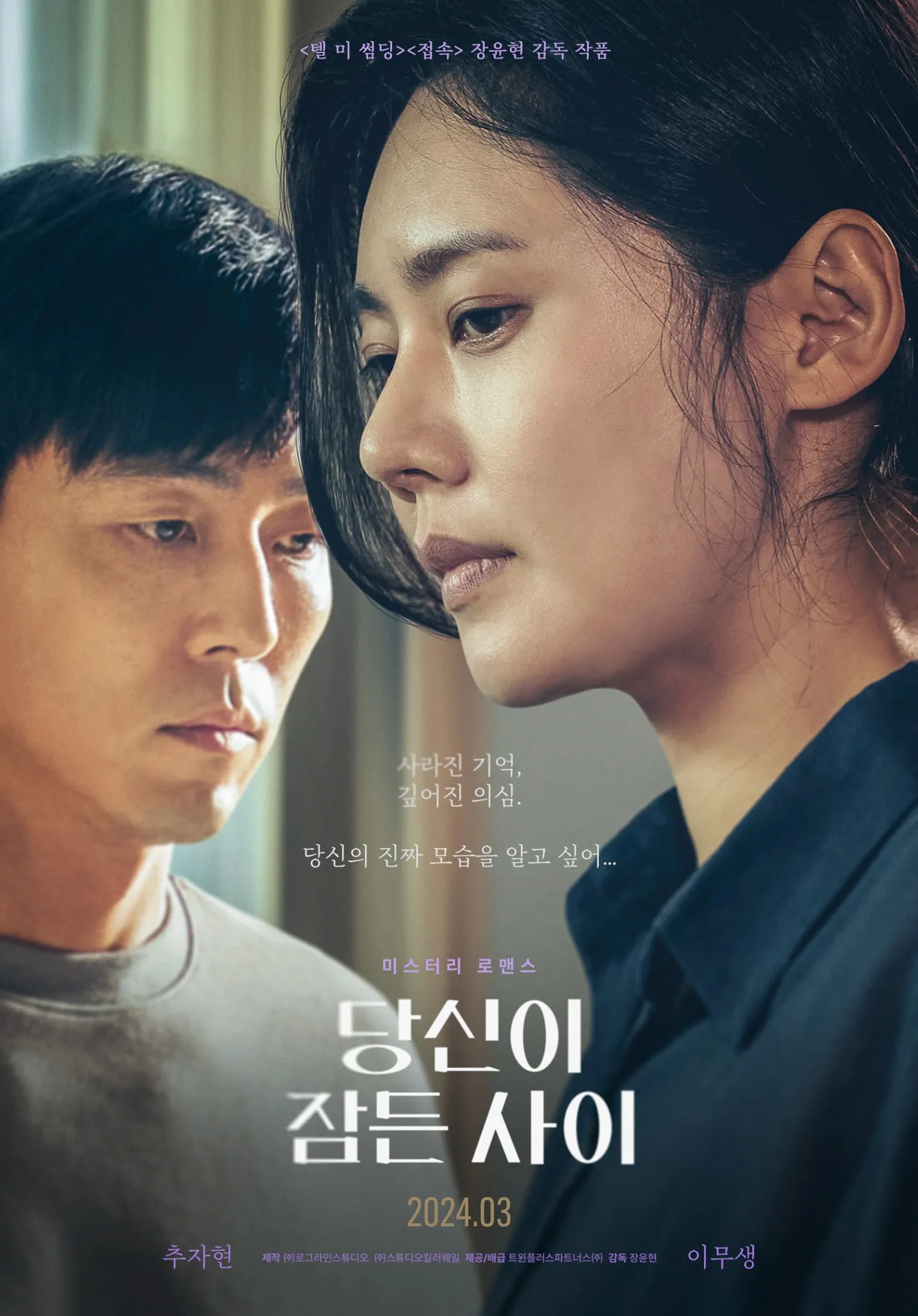

Seven feature projects. Three library titles. Two production units. A target of one completed feature every four months after the first delivery.
Planning targets. Release dates depend on distribution agreements. Some projects are at screenplay stage. The library titles are rights assets, not new productions.
A production company is not a single skill. It is a chain of them. We have worked across the chain, which is why the AI pipeline is built around real production needs rather than a demo.
Story, screenplay, casting, packaging and finance.
Schedules, crews, locations, production management and direction.
The look of the film: lens, light, colour, sets, wardrobe and props.
Assembly, sound design, music, VFX, colour and delivery.
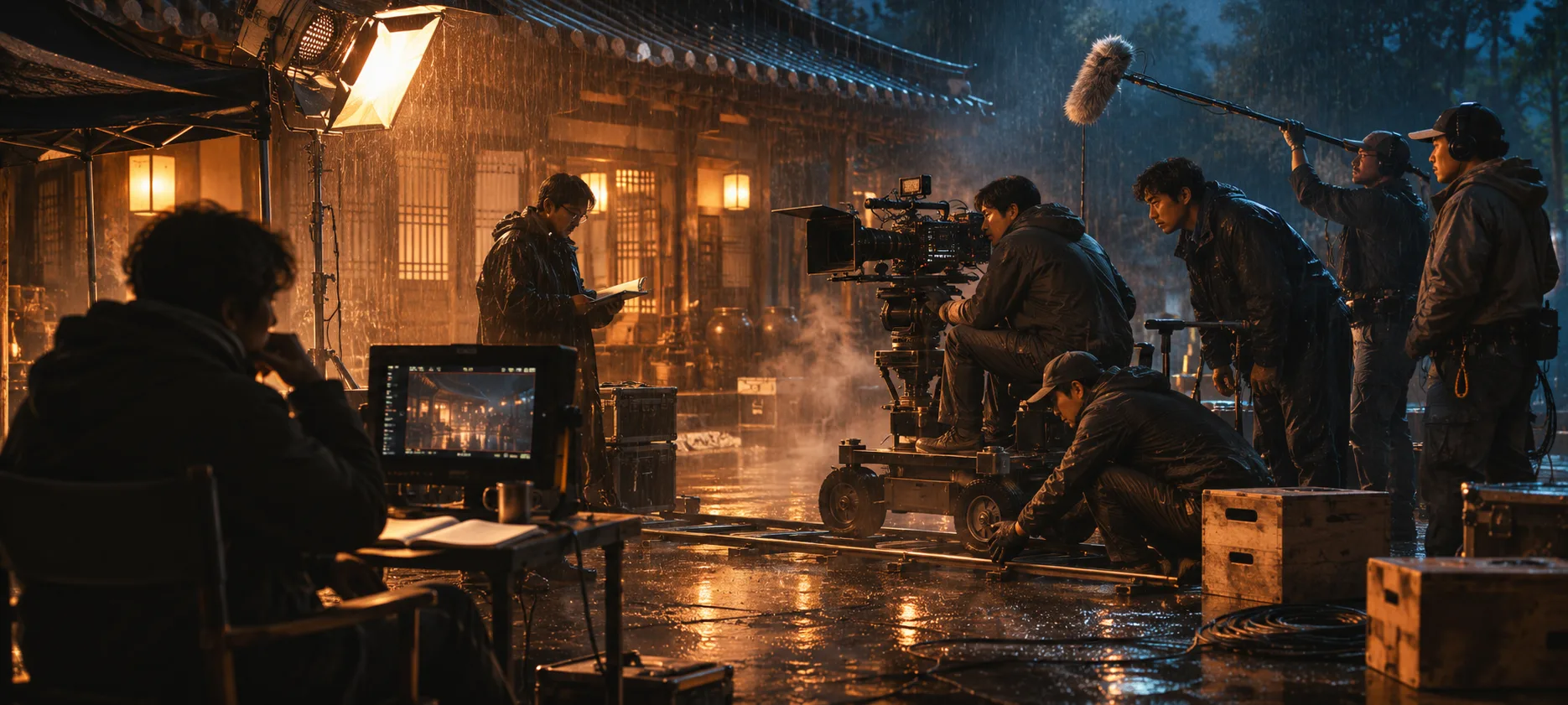
An illustrative concept of the craft, not a production still.

For studios, broadcasters and production companies that want to build an AI-native pipeline of their own. The programme is practical: the team learns on real scenes, compares the output with the original footage, and leaves with the workflow, the checklist and the cost model.
Select and test the bridge, transformation and action samples.
Planning, references, storyboards, filming, generation, compositing, editing and finishing.
3D camera design, background and wardrobe transformation, AI action and face replacement.
Compare the 3D design and the original footage with the AI result.
Compare like-for-like quality and duration, including rework and post.
Pipeline map, training examples, comparison table and quality checklist.
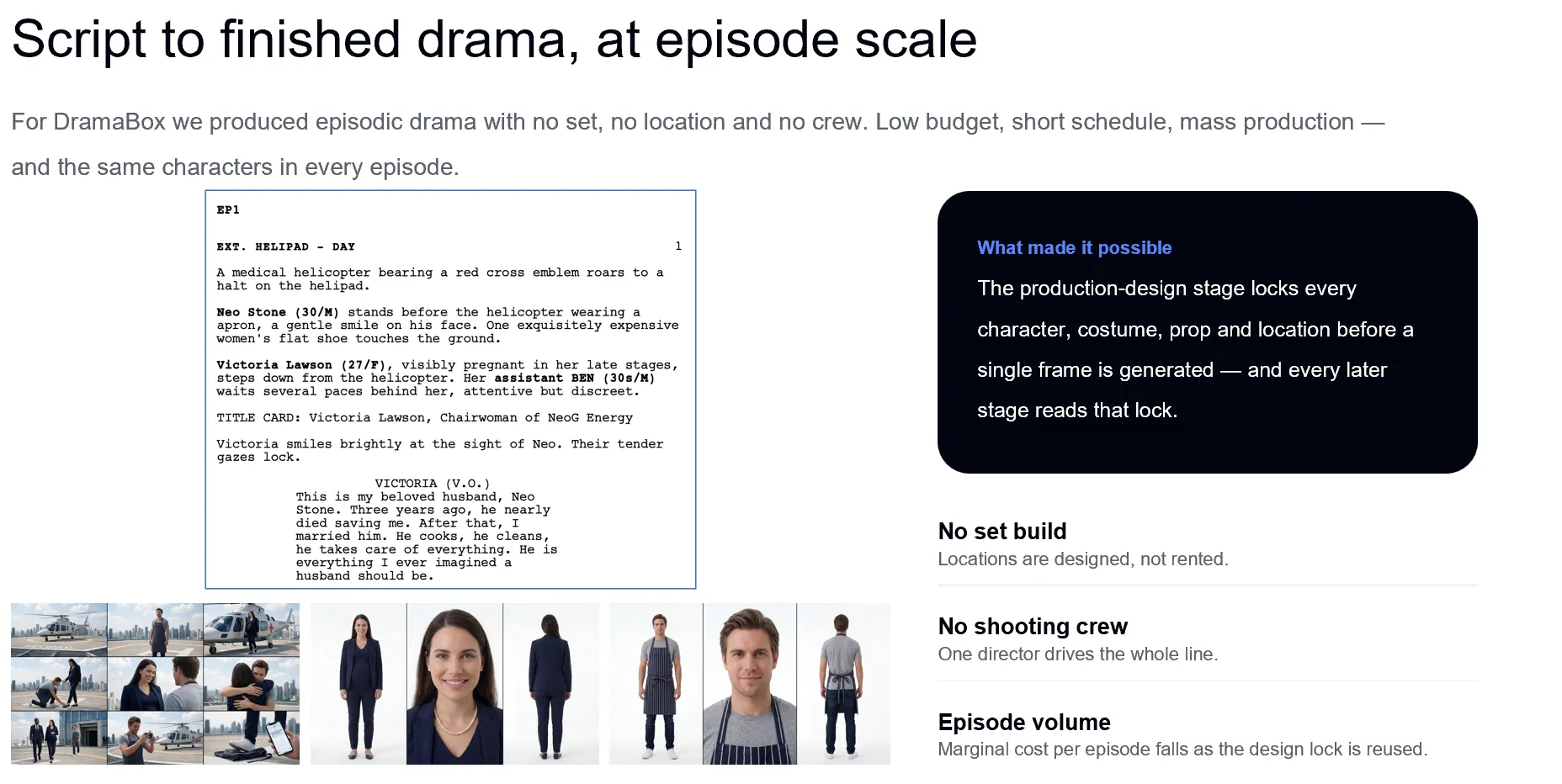
The programme is a training service. Schedules, fees and deliverables are agreed per engagement.
A selection from The Dream Pictures catalogue. These are the films that built the production knowledge the studio runs on today.
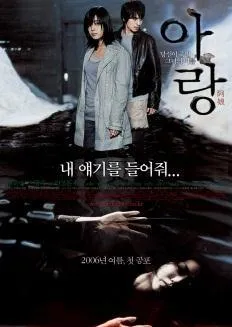
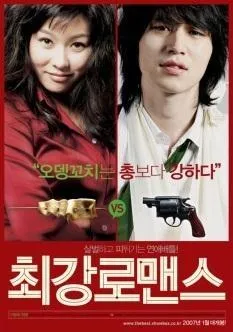

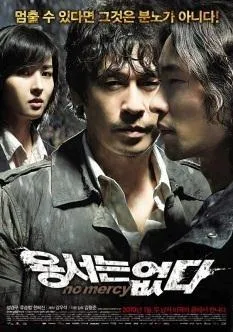


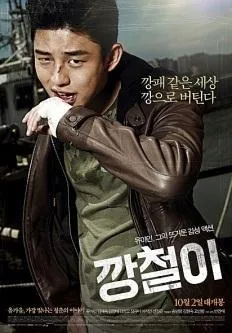
Posters are historical distribution artwork. Their appearance does not imply that their cast is attached to any new production.
We work with IP holders, producers and studios on feature films, episodic drama and commissioned production.